5 Signs You Would Be Great at a Healthcare Career

Fordham Institute Inc. • April 8, 2026

Have you ever thought about starting a career in healthcare—but weren’t sure if it was the right fit for you? Many people assume you need experience or special skills to begin. But the truth is, some of the most important qualities can’t be taught—they come naturally from who you are. Home Health Aides (HHAs) and Certified Nursing Assistants (CNAs) play an important role in supporting others every day. And you might already have the qualities needed to succeed in this field. At Fordham Institute Inc., we’ve worked with many students who started unsure of themselves—and quickly realized they were more capable than they thought. Here are 5 signs you would be great in a healthcare career.


1. You Enjoy Helping Others

If you naturally care about people and want to make a difference, healthcare may be a great fit for you.

Simple actions like:

  • helping someone feel comfortable
  • offering support
  • being there when someone needs assistance

are at the heart of caregiving.


2. You Are Patient and Understanding

Healthcare often requires taking the time to support individuals at their own pace.

If you:

  • stay calm in different situations
  • take time to listen
  • show understanding toward others

you already have one of the most important qualities in this field.


3. You Are Reliable and Responsible

In healthcare, people depend on you.

If you are someone who:

  • shows up on time
  • takes responsibilities seriously
  • follows through on tasks

you are already building the foundation of a strong healthcare professional.


4. You Are Willing to Learn

You don’t need to know everything to get started—but you do need to be open to learning.

If you are:

  • curious
  • willing to improve
  • open to new skills

training will help you build the knowledge you need step by step.


5. You Want a Meaningful and Stable Career

If you’re looking for more than just a job—something stable, purposeful, and rewarding—healthcare offers that opportunity.

Helping others while building a reliable career is one of the most valuable paths you can take.


You Might Be More Ready Than You Think

If you see yourself in these qualities, you may already have what it takes to succeed in healthcare.

Skills can be taught. Experience can be gained. But having the right mindset is what truly matters.

📞 Call 718-480-1804 to learn more about HHA and CNA training
You don’t have to be perfect to begin—you just have to be willing to take the first step. 💙


By Fordham Institute Inc. • October 5, 2026
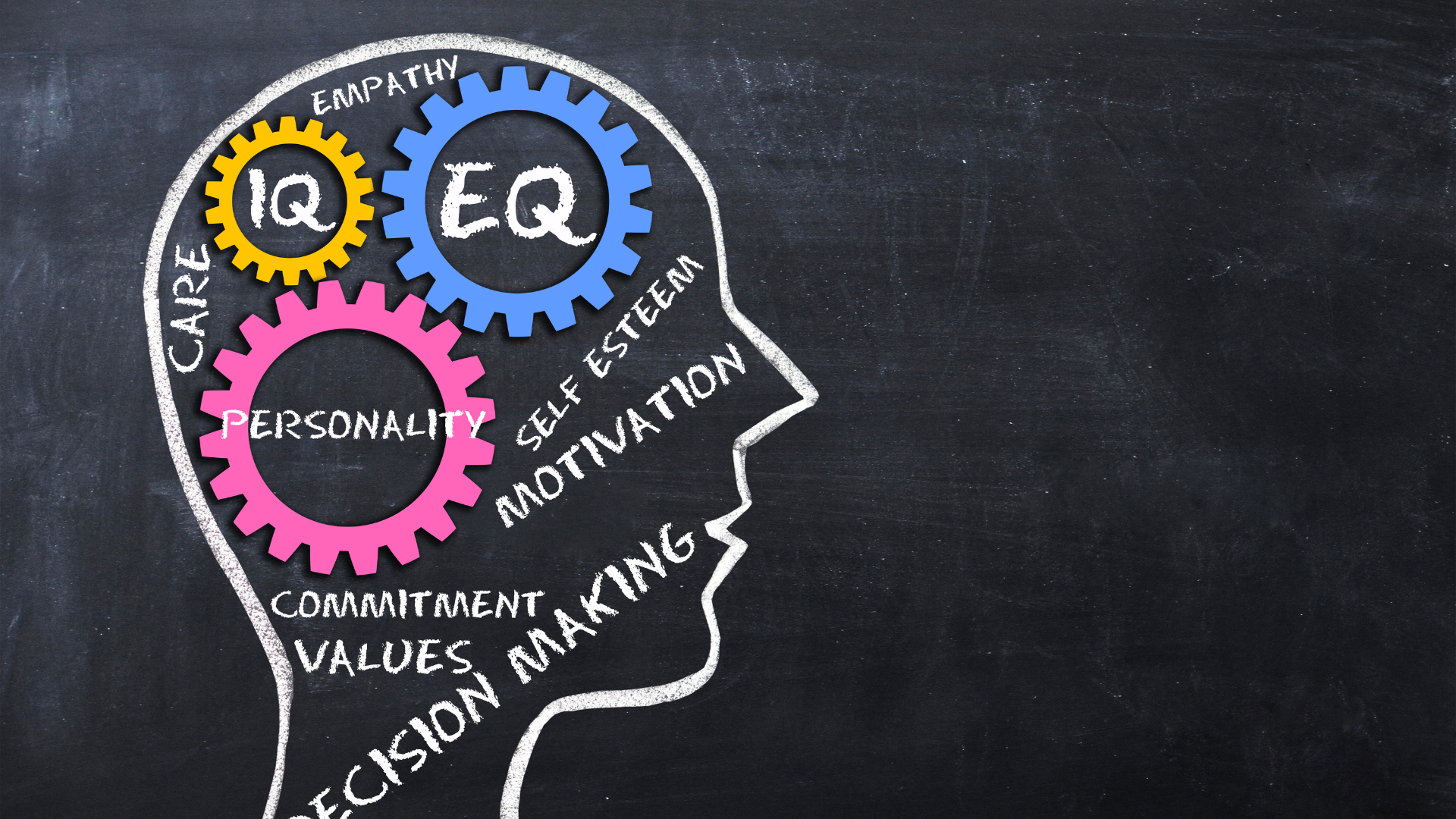
Technical knowledge and practical abilities are important in healthcare. But healthcare also involves something that can be much harder to predict: People. People have emotions. They become worried. Frustrated. Overwhelmed. Afraid. Impatient. Confused. And healthcare professionals have emotions too. You may have stressful days. You may feel frustrated. You may encounter difficult conversations or situations that test your patience. That's where emotional intelligence can become valuable. Emotional intelligence doesn't mean never becoming upset or always knowing exactly what to say. It means becoming more aware of your own emotions, recognizing that other people have emotions too, and learning how to respond thoughtfully and professionally instead of simply reacting. For anyone considering a future in healthcare, that's a skill worth developing. 1. What Is Emotional Intelligence? Emotional intelligence is generally the ability to recognize, understand, and appropriately manage emotions—both your own and those you observe in interactions with other people. Think of it as several abilities working together: Recognizing what you're feeling Managing your reactions Considering another person's perspective Communicating appropriately Reading a situation before responding Maintaining professional behavior when emotions are high It doesn't mean you have to become emotionless. In fact, it's almost the opposite. You're learning to notice emotions without automatically allowing them to control your behavior. 2. Self-Awareness Comes First Have you ever been irritated and responded more sharply than you intended? Most people have. Sometimes we're already stressed before an interaction even begins. Maybe you're tired. Something happened earlier. You're overwhelmed. You're worried about something outside of work or school. Then one small inconvenience happens—and suddenly it feels much bigger than it actually is. Self-awareness means recognizing: “I'm frustrated right now.” That simple realization can give you an opportunity to pause before responding. You can't always control how you feel. But you can continue developing greater control over what you do with that feeling. 3. Learn the Difference Between Reacting and Responding A reaction can happen almost instantly. Someone speaks impatiently. You become defensive. Someone frustrates you. Your tone changes. Someone says something you don't like. You immediately say the first thing that comes to mind. A thoughtful response creates a little space between the emotion and the action. Pause. Listen. Understand what happened. Then decide how to respond appropriately. That pause may only last a few seconds. But sometimes a few seconds can prevent a small misunderstanding from becoming a much larger one. 4. Remember That You Don't Always Know What Someone Is Experiencing Healthcare can bring you into contact with people during vulnerable moments. Someone may be uncomfortable. Afraid. Worried about a loved one. Frustrated about their circumstances. Confused. Lonely. Or simply having a difficult day. That doesn't mean every behavior is acceptable. But understanding that someone's emotions may have a larger story behind them can help you avoid taking every interaction personally. Instead of immediately thinking: “Why is this person being difficult with me?” You might pause and consider: “There may be something happening here that I don't fully understand.” That shift in perspective can change the way you approach an interaction. 5. Empathy Doesn't Mean You Have to Fix Everything Empathy is the ability to recognize and consider another person's feelings or perspective. But empathy doesn't require you to solve every problem. Sometimes you won't be able to. Sometimes the situation may be outside your responsibilities. Sometimes another appropriate professional may need to become involved. You can still acknowledge that someone is having a difficult experience. Listening. Remaining respectful. Communicating calmly. Seeking appropriate guidance when necessary. These are all ways of responding with awareness without assuming responsibility for something outside of your role. 6. Try Not to Take Every Interaction Personally This can be difficult. Someone is short with you. Someone seems irritated. Someone doesn't respond warmly. Your first thought might be: “What did I do?” But not every person's mood is about you. People carry their own stress, worries, experiences, and personalities into interactions. Before taking something personally, ask: “Do I actually know why this person is behaving this way?” Sometimes the answer is no. Learning not to absorb every emotion around you can help you remain compassionate without becoming emotionally overwhelmed by every interaction. 7. Emotional Intelligence Can Help With Teamwork Too Emotional intelligence isn't only important when interacting with the people receiving care. It can matter when working with coworkers, supervisors, instructors, classmates, and other members of a team. People communicate differently. Someone may be very direct. Someone else may be quiet. Another person may need additional clarification. You won't naturally connect with everyone you work with. Professionalism doesn't require you to become best friends with every coworker. It does require learning how to communicate and work respectfully with different personalities. Being able to recognize tension, manage your own reactions, and communicate appropriately can help support stronger professional relationships. 8. Feedback Can Feel Emotional Receiving correction isn't always comfortable. Even when feedback is appropriate and intended to help you improve, your first reaction may be: "But I thought I was doing it correctly." Or: "Why are they criticizing me?" Emotional intelligence can help you separate the uncomfortable feeling from the information you're receiving. Pause. Listen. Ask questions if you don't understand. Then consider: “Is there something here that can help me improve?” You don't have to enjoy being corrected. You simply need to learn how to respond to appropriate feedback professionally. 9. Emotional Intelligence Does NOT Mean Accepting Disrespect This is an important distinction. Being emotionally intelligent doesn't mean allowing people to mistreat you. It doesn't mean: "I'm supposed to be compassionate, so I have to tolerate everything." Healthy professionalism can include boundaries. If a situation becomes inappropriate, threatening, unsafe, discriminatory, abusive, or otherwise beyond what you should handle yourself, follow applicable workplace procedures and seek assistance from the appropriate person. Remaining calm doesn't mean remaining silent about serious concerns. Professionalism and boundaries can exist together. 10. Pay Attention to Your Tone and Body Language Communication isn't only about the words you use. Tone matters. Facial expressions matter. Body language can matter. You can say: “Okay.” in a way that sounds understanding. Or impatient. Or annoyed. Or dismissive. Sometimes we're unaware of what we're communicating nonverbally. Try becoming more conscious of how you present yourself when you're stressed or frustrated. Ask yourself: “If I were on the other side of this interaction, how might my tone come across?” Self-awareness can help you catch habits you didn't realize you had. 11. Know When You Need a Moment Everyone has limits. There may be moments when you're frustrated, overwhelmed, or emotionally affected by a situation. Recognizing that doesn't make you unprofessional. What matters is how you handle it. When appropriate and possible, you may need a moment to collect yourself. You may need guidance. You may need to speak with the appropriate supervisor or instructor. You may need to mentally reset before carrying frustration into your next interaction. One difficult moment doesn't have to influence every interaction that follows it. 12. Emotional Intelligence Can Be Developed Some people naturally seem very emotionally aware. Others have to work at it. That's okay. Emotional intelligence isn't necessarily something you either have or don't have. You can practice it. Start by paying attention to your reactions. Ask yourself: What tends to frustrate me? How does my communication change when I'm stressed? Do I become defensive when I'm corrected? Do I interrupt when I'm upset? Do I assume I know why someone behaved a certain way? Am I able to listen before responding? Awareness gives you somewhere to begin. And each interaction gives you another opportunity to practice. Final Thoughts Healthcare isn't only about what you know. It's also about how you interact with people while applying what you know. There will be easy conversations. There may also be difficult ones. There will be people whose personalities naturally work well with yours. And there may be people who challenge your patience. You won't always control what another person says, feels, or does. But you can continue developing greater awareness of your own response. Pause before reacting. Listen. Consider the situation. Communicate professionally. Maintain appropriate boundaries. Ask for guidance when necessary. And remember that everyone you encounter—including you—is human. Emotional intelligence doesn't mean never feeling frustrated. It means learning how to handle those emotions without allowing them to determine every response. 💡 Healthcare Tip The next time an interaction frustrates you, try this simple mental routine: Pause → Identify → Respond Pause: Don't immediately react. Identify: What am I feeling, and what is actually happening? Respond: What is the most appropriate and professional response? That small pause can give you enough space to make a more thoughtful decision. 🤔 A Question to Think About Think about the last time someone frustrated you. Did you respond to what actually happened—or did you respond mostly to how it made you feel? Now consider: If you had paused for five seconds before responding, would you have handled anything differently? You can't redo every past interaction. But you can learn from it before the next one. Build Skills for a Future in Healthcare Healthcare education isn't only an opportunity to develop knowledge and practical abilities. It's also an opportunity to continue developing the professional habits and interpersonal skills that can support you as you move forward. If you're interested in exploring a future in direct care, Fordham Institute offers training programs for individuals interested in becoming a Certified Nurse Aide (CNA) or Home Health Aide (HHA) . Contact us to learn more about upcoming classes, program information, and registration. 📞 Call Fordham Institute at (718) 480-1804 Healthcare involves caring for people—and understanding emotions, including your own, can help you approach those interactions with greater awareness, professionalism, and compassion.
By Fordham Institute Inc. • October 2, 2026
Going back to school as an adult can be exciting. But it can also come with one very important question: “When am I supposed to find time to study?” Unlike students who may be able to make school their primary responsibility, many adult students are balancing several parts of life at once. Work. Family. Appointments. Commuting. Household responsibilities. And somewhere in the middle of all of that, you're expected to study too. The good news? You don't necessarily need hours of uninterrupted free time every day to develop better study habits. Sometimes the key is learning how to use the time you do have more intentionally. Here are some practical ways to make studying more manageable when life is already busy. 1. Stop Waiting for the “Perfect” Time to Study One of the easiest ways to postpone studying is to wait until you have a completely free evening. No responsibilities. No interruptions. Plenty of energy. A quiet house. And several hours available. For many adults, that perfect study session may rarely happen. Instead of waiting for a large amount of free time, ask: “Where can studying realistically fit into my life?” Maybe you have 30 minutes after dinner. Twenty minutes before work. An hour on Sunday morning. A little time after the kids go to sleep. Small windows of time still count. The goal is to create a routine you can actually maintain. 2. Short Study Sessions Can Still Be Valuable You don't always need a marathon study session. A focused 20 or 30 minutes can be useful when you know exactly what you're trying to accomplish. For example: 20 minutes: Review notes from class. 15 minutes: Go over something you found difficult. 30 minutes: Study a specific topic. 10 minutes: Review important terms or concepts. Instead of saying: "I don't have enough time to study today," try asking: “What can I review with the time I have?” A short session is usually better than no session simply because you couldn't find two uninterrupted hours. 3. Schedule Study Time Like an Appointment If studying only happens when you “have time,” other responsibilities can easily take its place. Try putting study time into your schedule. For example: Tuesday: 7:00–7:30 PM — Review class notes Thursday: 7:00–7:30 PM — Study Saturday: 10:00–11:00 AM — Weekly review You don't need an elaborate planner. A calendar on your phone can work. The important part is deciding when studying will happen before the week becomes busy. Treat that time like an appointment you've made with yourself. 4. Study What You Actually Need to Study Have you ever spent an hour “studying” but realized afterward that you didn't accomplish very much? Sometimes the problem isn't a lack of time. It's a lack of direction. Before you begin, decide what the session is for. Instead of: “I'm going to study tonight.” Try: “I'm going to review today's notes and spend extra time on the section I didn't understand.” Now you have a goal. When time is limited, knowing what you're trying to accomplish helps you use that time more effectively. 5. Review Information Regularly Instead of Waiting Until the Last Minute Cramming can be especially difficult when you're already balancing a busy schedule. Waiting until the night before an assessment to review a large amount of material can create unnecessary stress. Instead, try reviewing information regularly. After class, revisit your notes. Later in the week, look at them again. Pay extra attention to anything you don't understand. Regular review can also help you identify questions before you urgently need the answer. Studying doesn't have to begin when an assessment is approaching. It can be part of your regular learning routine. 6. Find Your Best Time of Day Not everyone concentrates best at the same time. Some people are sharp in the morning. Others can barely form a sentence until they've had breakfast and coffee. 😂 Some people focus better in the afternoon. Others prefer studying at night when everything becomes quieter. Pay attention to your energy. Ask yourself: “When is my brain usually most alert?” If possible, place your more challenging study tasks during that period. Save easier tasks—such as organizing materials or quickly reviewing notes—for times when your energy is lower. Working with your natural rhythm can make studying feel less difficult. 7. Create a Simple Study Space You don't need a beautiful home office or an expensive desk setup. You simply need somewhere that helps your brain understand: “It's time to focus.” That could be: A kitchen table A small desk A quiet corner A library Another appropriate space where you can concentrate Keep the materials you need nearby whenever possible. If you spend the first 15 minutes looking for a notebook, charger, pen, or handout, you've already used part of your study time. A little preparation can make it easier to begin. 8. Reduce Distractions During Short Study Sessions Your phone can turn a 30-minute study session into five minutes of studying and 25 minutes of scrolling surprisingly quickly. 😂 If possible, reduce unnecessary distractions. You might: Put your phone on Do Not Disturb Place it away from you Close unrelated browser tabs Turn off unnecessary notifications Let family members know you need a short period to concentrate You don't have to disconnect from the world for hours. Even protecting 20 focused minutes can make a difference. 9. Use Small Pockets of Time Wisely Look at your typical day. Are there small periods of time you're currently losing? Maybe you're waiting somewhere. Maybe you arrive early before something begins. Maybe you have a break during the day. Depending on where you are and what you're studying, some of these moments may give you an opportunity for a quick review. That doesn't mean every free second of your life needs to become study time. Rest matters too. But when your schedule is particularly busy, identifying a few small pockets of time can help. Safety comes first: if you're driving or doing something that requires your full attention, focus on that—not studying. 10. Don't Be Afraid to Ask Questions Studying something you don't understand can become frustrating very quickly. You can spend a long time staring at information and hoping it suddenly makes sense. If you're confused, ask for clarification when appropriate. Write down your questions during study sessions. Bring them to class. Ask your instructor. Pay attention when other students ask questions too—you may discover they were wondering about the same thing. Asking questions isn't evidence that you're failing. It's part of learning. 11. Adjust Your Study Routine When It Isn't Working Maybe you planned to study every night at 9 PM. After two weeks, you've realized you're exhausted by 9 PM and barely remember what you reviewed. That doesn't mean you're bad at studying. It may mean your schedule needs adjusting. Try earlier. Try shorter sessions. Try mornings. Try weekends. Try changing your environment. A study routine isn't a contract you're stuck with forever. If something isn't working, identify why and make a reasonable adjustment. The best study routine isn't the one that looks most impressive. It's the one you can realistically follow. 12. Give Yourself Some Grace During Difficult Weeks Some weeks simply won't go according to plan. Work becomes busier. Family responsibilities increase. Something unexpected happens. You get tired. You miss a study session. Don't allow one difficult week to become: "Well, I already messed up, so there's no point trying anymore." Reset. Look at your schedule again. Decide what matters most. Then return to your routine as soon as you reasonably can. Consistency doesn't mean never missing a day. It means learning how to come back after you do. Final Thoughts Being an adult student can require organization, discipline, and flexibility. You may not have unlimited free time. That's okay. You don't need the perfect schedule. You don't need hours every night. And you don't need to study exactly the way someone else does. Start with the life you actually have. Find the time available to you. Protect small periods for focused learning. Review regularly. Ask questions. Adjust when necessary. And keep showing up. Twenty focused minutes today may not feel significant. But repeated consistently, small efforts can become meaningful progress. You don't always need more time. Sometimes you need a better plan for the time you already have. 💡 Student Success Tip At the beginning of each week, choose three specific study periods and put them into your calendar. Even if they're only 20–30 minutes each, you've already answered the question: “When am I going to study this week?” Then, before each session, decide exactly what you're going to review. This can make it much easier to get started. 🤔 A Question to Think About Think about your normal week: Where could you realistically create two or three short periods of focused study time? Don't design a schedule for your imaginary perfect week. Design one for your real life . A realistic plan you're able to follow is much more valuable than an ambitious one you abandon after three days. Preparing for Healthcare Training? Build Strong Study Habits Along the Way Learning how to balance education with everyday responsibilities can be an important part of returning to school as an adult. If you're considering taking the next step toward healthcare training, Fordham Institute offers Certified Nurse Aide (CNA) and Home Health Aide (HHA) programs for individuals interested in exploring a future in healthcare. Contact us to learn more about upcoming classes, program information, and registration. 📞 Call Fordham Institute at (718) 480-1804 Your schedule may be busy, but small, consistent efforts can still move your education—and your future—forward.
By Fordham Institute Inc. • October 1, 2026
Healthcare is a large field. Some professionals work behind the scenes. Others spend much of their time interacting directly with the people receiving care. That's where the term direct care comes in. If you've been researching healthcare careers, you may have seen phrases such as direct care worker, direct patient care, or direct care professional and wondered what they actually mean. In simple terms, direct care generally refers to healthcare and support services that involve working directly with individuals who need care or assistance . Roles such as Certified Nurse Aides (CNAs) and Home Health Aides (HHAs) are examples of careers associated with direct care. But direct care is about more than being physically present with another person. It involves the human side of healthcare—communication, trust, patience, professionalism, and recognizing the individual behind the care. 1. What Does “Direct Care” Mean? Direct care generally involves providing services or support directly to an individual rather than working entirely behind the scenes. Depending on the professional's role and healthcare setting, this can mean regularly interacting with patients, residents, clients, or other individuals receiving care. The exact responsibilities can vary based on factors such as: The professional's role Training and qualifications The healthcare setting Employer requirements Applicable rules and regulations The needs of the individual receiving care That's why “direct care” isn't the name of one specific job. It's a broad way of describing work that involves direct interaction with the people being supported. 2. Direct Care Is About People Healthcare involves procedures, schedules, documentation, responsibilities, and routines. But direct care also involves something that can't be overlooked: Human interaction. The person receiving care has a personality. A history. Preferences. Feelings. Concerns. Good days and difficult days. Someone interested in direct care should understand that working with people is not simply one small part of the job. It can be a major part of the experience. 3. CNA and HHA Are Two Examples of Direct-Care Paths Two direct-care pathways you may encounter while researching healthcare careers are Certified Nurse Aide (CNA) and Home Health Aide (HHA) . Although the roles and training pathways are different, both can involve providing support to people who need assistance. CNAs are commonly associated with nursing homes and other healthcare or residential-care environments, depending on the position and applicable requirements. HHAs are particularly associated with providing support through home-care settings. Both paths can place professionals in regular contact with the individuals they're helping. For someone considering either role, it's worth asking: “Do I enjoy working directly with people?” 4. Communication Becomes Important When your work involves people, communication matters. Direct-care professionals may interact with individuals who have different personalities, backgrounds, preferences, and communication styles. That means developing habits such as: Listening carefully Speaking respectfully Asking appropriate questions Following instructions Seeking clarification when necessary Communicating professionally with others Good communication isn't about being the most talkative person in the room. Sometimes it's about knowing when to speak. Sometimes it's about knowing when to listen. And sometimes it's about recognizing when information needs to be appropriately communicated to someone else. 5. Patience Can Make a Difference People don't always move, communicate, understand, or respond at the same pace. That's true everywhere—but it can be especially important to remember when you're supporting another person. Someone may need additional time. Someone may ask the same question more than once. Someone may be frustrated. Someone may simply be having a difficult day. Patience doesn't mean ignoring responsibilities or allowing inappropriate behavior. It means understanding that working with people sometimes requires you to slow down, communicate, and respond professionally rather than immediately becoming frustrated. 6. Direct Care Can Require Emotional Awareness People often receive healthcare during moments when they feel vulnerable. They may be nervous. Uncomfortable. Embarrassed. Frustrated. Lonely. Or uncertain about what's happening. A direct-care professional isn't responsible for solving every emotion another person experiences. But being aware that those emotions exist can influence how you approach the interaction. A calm tone. A respectful response. A moment of listening. A little patience. These things may seem small, but they can affect how another person experiences an interaction. 7. Respect and Dignity Matter Needing help doesn't make someone less deserving of respect. That's an important mindset for anyone considering direct care. People may need assistance for many different reasons and at many different stages of life. Regardless of the circumstances, they remain individuals deserving of dignity and appropriate consideration. Direct-care professionals should be mindful of privacy, personal differences, appropriate boundaries, and the responsibilities associated with their roles. The goal isn't simply to complete responsibilities. It's to approach those responsibilities while remembering: There is a person on the other side of the care being provided. 8. You May Work With People Who Are Very Different From You One of the realities of healthcare is that you can encounter people from many different walks of life. Different cultures. Different generations. Different beliefs. Different personalities. Different life experiences. Different communication styles. You won't naturally connect with every person you meet. You don't have to. Professionalism means being able to treat people respectfully even when they're different from you. If you enjoy learning about people and can remain respectful of individual differences, direct care may give you many opportunities to develop that ability further. 9. Direct Care Can Also Involve Teamwork Providing direct care doesn't necessarily mean working alone. Depending on the healthcare environment and role, professionals may work alongside or communicate with other members of a healthcare team. That makes it important to understand your own responsibilities while also knowing when to seek guidance or appropriately communicate with others. Being a strong team member can involve: Being dependable Communicating professionally Listening Respecting different roles Following appropriate instructions Asking questions when you're unsure Taking responsibility for your part Direct care may focus heavily on the individual receiving support, but teamwork can also be an important part of the larger healthcare environment. 10. The Work Can Be Personal There is something unique about careers that involve directly helping other people. You're not simply interacting with a computer, product, or piece of paperwork. You're interacting with another human being. That means the way you behave can affect how someone feels. People may remember whether you were patient. Whether you listened. Whether you treated them respectfully. Whether you made them feel ignored. Whether you approached them professionally. You may not remember every interaction throughout your career. But occasionally, another person may remember how you made them feel during theirs. 11. How Do You Know Whether Direct Care May Be Right for You? You don't need to have every quality perfectly developed before considering a direct-care career. Many professional skills continue developing through education and experience. But you can begin by asking yourself a few questions: Do I enjoy helping people? Am I comfortable interacting with people regularly? Can I remain patient when someone needs additional time? Am I willing to communicate respectfully with people who are different from me? Can I take responsibilities seriously? Am I willing to learn, receive feedback, and ask questions? Would I find meaning in work where supporting another person is an important part of what I do? Your answers may help you determine whether a direct-care path is something you'd like to explore further. 12. You Can Begin Developing Direct-Care Qualities Now You don't need to wait until you have a healthcare job to strengthen the human skills involved in direct care. Practice listening. Become more aware of your tone. Work on your patience. Be dependable. Respect people's boundaries. Learn to communicate with different personalities. Pay attention to how you respond when you're frustrated. Become comfortable asking questions when you don't understand something. These habits can benefit you in healthcare—but they can also benefit you almost anywhere life takes you. Final Thoughts Direct care is one part of the much larger healthcare field. And at the center of it is something very simple: People helping people. There are responsibilities to learn. Professional expectations to understand. Skills to develop. And important boundaries to respect. But the human side matters too. Listening. Patience. Communication. Respect. Dependability. Dignity. If you're exploring a direct-care career, don't only ask yourself whether you're interested in healthcare. Ask: “Am I interested in working directly with the people healthcare exists to serve?” Because for many direct-care professionals, that human connection isn't separate from the work. It's at the heart of it. 💡 Healthcare Tip If you're considering a direct-care career, pay attention to how you naturally interact with people who need your help. Do you listen? Are you patient? Do you communicate respectfully? These everyday interactions can reveal strengths you already have—and areas you may want to continue developing. 🤔 A Question to Think About Would you enjoy a career where interacting with and supporting people is an important part of your day? If your answer is yes, consider what appeals to you most about that kind of work. Understanding why you're interested in healthcare can help you explore career paths that better match your goals and personality. Explore a Future in Direct Care at Fordham Institute If you're interested in exploring a healthcare career that involves working directly with and supporting others, Fordham Institute offers training programs for individuals interested in becoming a Certified Nurse Aide (CNA) or Home Health Aide (HHA) . Contact us to learn more about upcoming classes, program information, and registration. 📞 Call Fordham Institute at (718) 480-1804 Healthcare has many different paths. If helping people directly speaks to you, direct care may be one path worth exploring.