


Practice your skills
Fordham Institute Inc. • January 21, 2022
"It is not how much you do, but how much love you put in the doing"
- Mother Teresa
As a Home Health Aide (HHA) in New York, you will need to learn the following skills:
- Basic medical skills: This includes taking vital signs, such as blood pressure and temperature, and administering medication as directed by a healthcare professional.
- Personal care skills: You will need to be able to assist clients with daily activities such as bathing, dressing, and grooming.
- Communication skills: You will need to be able to communicate effectively with clients, families, and healthcare professionals.
- Time management skills: You will need to be able to manage your time effectively and prioritize tasks to ensure that all client needs are met.
- Emotional support: You will need to be able to provide emotional support and companionship to clients who may be isolated or lonely.
- Safety and infection control: You will need to be able to follow safety and infection control protocols to ensure the health and well-being of clients.
- Cultural sensitivity: You will need to be able to work with clients from a variety of cultural backgrounds, and understand and respect their beliefs and practices.
In New York State, you must be certified and registered as a Home Health Aide by the New York State Department of Health to work as an HHA.
As a Certified Nursing Assistant (CNA) in New York, you will need to learn the following skills, similar to an HHA, such as:
- Basic nursing skills: This includes taking vital signs, such as blood pressure and temperature, and assisting with basic medical procedures, such as catheter care and wound dressing.
- Personal care skills: You will need to be able to assist patients with daily activities such as bathing, dressing, and grooming.
- Communication skills: You will need to be able to communicate effectively with patients, families, and healthcare professionals.
- Time management skills: You will need to be able to manage your time effectively and prioritize tasks to ensure that all patient needs are met.
- Emotional support: You will need to be able to provide emotional support and companionship to patients who may be isolated or lonely.
- Safety and infection control: You will need to be able to follow safety and infection control protocols to ensure the health and well-being of patients.
- Cultural sensitivity: You will need to be able to work with patients from a variety of cultural backgrounds, and understand and respect their beliefs and practices.
- Ability to work in a team: You will work closely with other CNAs, nurses, and other healthcare providers.
In New York State, you must be certified as a CNA by the New York State Department of Health to work as a CNA. This requires you to complete a state-approved training program and pass a certification exam.

It's October. Somehow, we've already reached the final three months of 2026. For some people, this is the point when they begin mentally checking out of the year. "I'll worry about that in January." "The year is basically over anyway." "I'll make it one of my New Year's resolutions." But October 1 isn't the end of the year. There are still three full months ahead. And while three months may not be enough time to accomplish every goal you've ever had, it's certainly enough time to begin something meaningful. You could research a new career. Learn a new skill. Return to school. Work on a personal goal. Improve a habit. Start preparing for an opportunity. Or finally take action on something you've been thinking about for months. Instead of treating October through December as a countdown to January, what if you used these three months as a runway into 2027? Here's one simple way to do it: October: BEGIN. November: BUILD. December: PREPARE. Let's break it down. 1. October: Choose One Thing You Want to Begin Don't start with ten goals. Start with one. Ask yourself: “What is one area of my life I'd genuinely like to move forward before this year ends?” Maybe it's your career. Education. Finances. Health. A creative project. Personal development. A skill you've wanted to learn. Something you've been postponing. Choose something that actually matters to you—not something you think you're supposed to want. Your goal doesn't need to impress anyone. It needs to mean something to you . 2. Make Your Goal Specific Enough to Act On “I want a better future” sounds wonderful. But what do you actually do with that tomorrow morning? A goal becomes easier to pursue when you make it more specific. Instead of: “I want a better career.” Try: “I'm going to research three career options this month.” Instead of: “I want to go back to school.” Try: “I'm going to research programs and contact a school for information.” Instead of: “I want to learn something new.” Try: “I'm going to choose the skill I want to learn and find a way to begin practicing it.” Clarity gives action somewhere to go. 3. Give October One Job: BEGIN You don't need to accomplish the entire goal this month. October's job is simply to get you moving. Research. Make the call. Submit the application. Create the plan. Sign up. Ask the question. Start practicing. Update the résumé.Take the first step. Whatever “begin” looks like for your particular goal, do something that turns it from: “I've been thinking about it…” into: “I've started.” That difference matters. 4. Don't Wait Until You Feel Completely Ready You may choose your goal and immediately start thinking of reasons to wait. "Maybe next month would be easier." "I need to research a little more." "I'm nervous." "What if this doesn't work?" Preparation is important. But preparation can also become procrastination when you're constantly gathering information without ever doing anything with it. At some point, you have to move from thinking to doing. You don't need complete certainty. You need enough information to take an appropriate first step. 5. November: BUILD on What You Started Once October gets you moving, November's goal is different. Now you build. This is where consistency becomes important. If you started learning something, keep practicing. If you enrolled in something, continue showing up and putting in effort. If you began exploring a career, take the next step. If you started applying for opportunities, continue. If you created a new habit, strengthen it. November isn't necessarily about doing something dramatic. It's about proving to yourself that October wasn't just a temporary burst of motivation. You started. Now continue. 6. Create a Weekly Minimum Motivation changes. Some weeks you'll feel incredibly productive. Other weeks? Not so much. That's why it can help to create a weekly minimum . Ask yourself: “What is the smallest action I can commit to every week that keeps this goal moving?” Maybe it's: One hour of studying One application One phone call One practice session One hour spent working on your project One new piece of research One task completed toward a larger goal Your minimum shouldn't represent everything you're capable of doing. It should represent what you're committed to doing even during a busy week. You can always do more. But having a minimum helps prevent an imperfect week from becoming a completely inactive one. 7. Track Progress You Can Actually See Goals often feel like they're going nowhere because we're not paying attention to the small things we've completed. Keep track. Maybe you made the call. Write it down. Completed an application? Write it down. Finished your first week? Write it down. Learned something new? Write it down. Reached a milestone? Write it down. Progress feels more real when you can see evidence of it. By the end of November, you may realize you've done far more than you thought. 8. December: PREPARE for What Comes Next December doesn't have to be about rushing to finish everything before midnight on New Year's Eve. Instead, use it to evaluate. Ask yourself: What did I begin in October? What did I build in November? What's working? What's not working? What have I learned? What should I continue into 2027? Some goals may be complete. Others may only be getting started. That's perfectly fine. The purpose wasn't necessarily to finish everything in three months. The purpose was to enter 2027 with momentum instead of another promise to someday begin. 9. Prepare Your January Before January Arrives Imagine two versions of January 1. In the first version, you wake up and say: "Okay. This year I'm finally going to figure out what I want to do." In the second version, you already spent October researching. You spent November taking action. You spent December evaluating and preparing. Now January isn't the beginning of the conversation. It's the continuation . That's a very different position to be in. You don't need New Year's Day to create momentum if you've already been building it. 10. Don't Measure Your Three Months Against Someone Else's Someone else may accomplish something faster. Someone may be further ahead. Someone may announce a major achievement while you're still taking your first few steps. That's okay. Your October doesn't need to look like theirs. Neither does your November. Or December. The goal isn't to create the most impressive three-month transformation. The goal is to make meaningful progress toward something you care about. Comparison can make small progress feel insignificant. But small progress is still progress. 11. Your Goal Is Allowed to Change Maybe October teaches you that the direction you chose isn't right for you. That's useful information. Maybe you research a career and realize it doesn't interest you. Maybe you begin learning something and discover another direction you'd rather pursue. Maybe your priorities change. Changing direction after gaining new information isn't necessarily failure. Sometimes progress means discovering: “This isn't what I want anymore.” Then you can redirect your energy toward something that fits you better. 12. Three Months Can Create a Different Starting Point Will three months completely transform every part of your life? Probably not. And that's not the goal. But think about what three months of intentional action could change. By January, you could have three months of studying behind you. Three months of practice. Three months of research. Three months of applications. Three months of building a project. Three months of developing a better habit. Or simply three months of finally taking yourself and your goal seriously. January will arrive either way. The question is: Where would you like to be when it does? Final Thoughts October doesn't have to feel like the beginning of the end of 2026. It can be the beginning of something else. Choose one meaningful goal. Then give each month a purpose: October — BEGIN Stop postponing and take the first concrete step. November — BUILD Continue what you started and create consistency. December — PREPARE Evaluate your progress and decide how you'll carry it into 2027. You don't need to race. You don't need to transform your entire life. And you don't need to accomplish everything before December 31. You simply need to decide whether the final three months of the year will be spent waiting or moving. Because when January arrives, you may not be finished. But you could already be much further ahead than you are today. 💡 Goal-Setting Tip Create a note on your phone with three headings: OCTOBER — BEGIN NOVEMBER — BUILD DECEMBER — PREPARE Under October, write one action you're going to complete this week. Don't worry about filling in every detail for November and December yet. Start with what you can control: Your next step. 🤔 A Question to Think About Imagine it's January 1, 2027. Which statement would you rather be making? “This is the year I'm finally going to start.” or “I'm proud that I already started—and now I'm ready to keep going.” If there's something you've been thinking about for months, ask yourself: What would “BEGIN” look like for me this October? Then make that your first goal. Could Healthcare Training Be Your October “Begin”? If exploring a future in healthcare has been sitting on your list of goals, you don't have to decide your entire future today. Your first step can simply be learning more about your options. Fordham Institute offers training programs for individuals interested in becoming a Certified Nurse Aide (CNA) or Home Health Aide (HHA) . Contact us to learn more about upcoming classes, program information, and registration. 📞 Call Fordham Institute at (718) 480-1804 October: Begin. November: Build. December: Prepare. You still have three months to give 2026 a strong finish—and give 2027 a head start.

Completing healthcare training can feel like a major accomplishment. But eventually, another exciting—and sometimes intimidating—step may come next: Entering the workforce. Your first healthcare job can bring a completely new set of emotions. You may feel excited. Proud. Nervous. Curious. And maybe even a little overwhelmed. That's normal. Moving from being a student into a professional environment is a transition. You may have developed knowledge and practical skills during training, but that doesn't mean you're expected to walk into your first workplace knowing everything about how that particular organization operates. Every workplace can have its own routines, expectations, procedures, team dynamics, and responsibilities. So instead of expecting yourself to feel completely confident from day one, focus on something more realistic: Arrive prepared to learn, listen, and grow. Here are eight ways to prepare for the transition from healthcare student to employee. 1. Prepare Your Résumé Before You Need It Don't wait until you find an interesting job opening to realize you haven't updated your résumé. Prepare it ahead of time. Your résumé should clearly present information relevant to the opportunity you're pursuing, which may include your: Education and training Relevant credentials Previous work experience Applicable skills Contact information If you don't have previous healthcare employment, don't assume that means you have nothing valuable to include. Past jobs may have helped you develop transferable skills such as communication, customer service, dependability, organization, teamwork, or time management. Keep your résumé professional, easy to read, and accurate. Most importantly: Never exaggerate your qualifications or claim experience you don't have. Starting honestly gives you a much stronger professional foundation. 2. Research the Workplace Before an Interview If you're invited to interview, spend some time learning about the organization beforehand. Look at its website. Understand the type of services it provides. Learn about the environment you're applying to work in. Review the job description carefully. This can help you walk into an interview with a better understanding of the opportunity. It can also help you prepare thoughtful questions. Remember: An interview isn't only an opportunity for an employer to learn about you. It's also an opportunity for you to learn more about the position. 3. Don't Expect Yourself to Know Everything on Day One This may be one of the biggest fears new professionals have: “What if I don't know something?” You probably won't know everything. That's not unusual. Completing training doesn't mean you've experienced every possible workplace situation. Your first job introduces another stage of learning. You'll need to understand the expectations of that particular workplace. You'll meet new people. You'll encounter unfamiliar situations. You'll continue gaining experience. Instead of trying to prove that you already know everything, focus on being willing to learn. There is a major difference between: “I don't know, so I'll pretend I do.” and: “I'm not sure. Let me ask the appropriate person.” Knowing when to seek clarification can be an important professional habit. 4. Pay Attention During Orientation and Training When you start a new position, you may receive information about workplace policies, procedures, expectations, schedules, safety practices, documentation, communication, and other responsibilities relevant to your role. Pay attention. Take appropriate notes if permitted. Ask questions. Don't assume something works exactly the way it did somewhere else—or exactly the way you imagined it would. Even experienced professionals may need time to learn how a new workplace operates. Being new gives you a good reason to observe carefully. Use that opportunity. 5. Bring Your Professional Habits With You Professionalism doesn't suddenly begin after you've been employed for six months. It starts immediately. Simple habits can make an impression. Arrive on time. Be prepared. Communicate appropriately. Follow workplace expectations. Treat people respectfully. Take responsibility for your actions. Keep appropriate boundaries. Be dependable. You don't need to walk into your first job as the most experienced person there. But you can walk in demonstrating that you take the opportunity seriously. Your attitude and habits can say a lot before you've had time to build extensive experience. 6. Learn How to Receive Feedback Starting a new job means there may be things you need to correct or improve. Someone may show you a different way of doing something. A supervisor may provide feedback. You may realize you misunderstood an expectation. Your first instinct might be to feel embarrassed. Try not to interpret every correction as: “I'm terrible at this.” Instead, ask: “What can I learn from this?” Listen carefully. Ask for clarification if needed. Apply appropriate feedback. Then move forward. Of course, feedback should be communicated appropriately and workplace concerns should be handled through the proper channels. But when constructive feedback is given, being willing to learn from it can support your professional development. 7. Observe the Workplace Without Getting Pulled Into Everything Starting a new job means entering an environment where relationships already exist. People know each other. Coworkers may have friendships. There may be disagreements. Different personalities may interact differently. As the new employee, you don't need to immediately become involved in every conversation or workplace issue. Take time to observe. Be friendly. Be respectful. Focus on learning your responsibilities. Avoid getting pulled unnecessarily into gossip, conflicts, or personal disagreements that don't concern you. You can build positive relationships while still maintaining professional boundaries. Sometimes one of the smartest things a new employee can do is simply: Listen more than they speak until they understand the environment. 8. Give Yourself Time to Become Confident Your first week may feel overwhelming. Your first month may still feel unfamiliar. That's okay. Confidence often develops through repetition and experience. Something that makes you nervous the first time may feel much more manageable after you've encountered it repeatedly and received appropriate guidance. Instead of asking yourself: “Why don't I feel confident yet?” Try asking: “What do I understand now that I didn't understand when I started?” Notice your progress. Maybe you remember more. Maybe you ask better questions. Maybe you're more comfortable communicating. Maybe the environment feels less unfamiliar. Confidence doesn't always arrive all at once. Sometimes it grows quietly while you're busy learning. Your First Job Is Another Stage of Education There's an important mindset shift that can make the transition into employment less intimidating: Graduation doesn't mean learning is over. Education gives you a foundation. Work experience can continue adding to it. Throughout your career, you may encounter: New people. New environments. New responsibilities. New challenges. New feedback. New opportunities to improve. Professionals don't stop learning because they received a certificate or got hired. In many careers—especially healthcare—learning can continue throughout your working life. Don't Compare Your Beginning to Someone Else's Experience Imagine starting your first healthcare job and working beside someone who has been in the field for ten years. They seem comfortable. They know the environment. They recognize situations quickly. They appear confident. Then you look at yourself and think: “Why am I not like that?” Because you're comparing your beginning with someone else's years of experience. That's not a fair comparison. You don't know what their first week looked like. They may have once asked the same questions you're asking. Give yourself permission to be new. Learn from experienced professionals when appropriate rather than using their experience as a reason to doubt yourself. What If You Make a Mistake? The fear of making mistakes can be especially strong when you're entering healthcare. That's understandable. Healthcare responsibilities should be taken seriously. The answer isn't to pretend you will never make an error or to hide something because you're embarrassed. If you believe you've made a mistake or you're uncertain about something important, follow the appropriate workplace procedures and communicate with the appropriate person. Trying to hide uncertainty can create bigger problems. Professional responsibility includes knowing when something needs to be reported, clarified, or addressed. Asking for help is often much wiser than pretending you're sure when you aren't. Final Thoughts Your first healthcare job doesn't require you to arrive as a finished professional who already knows everything. It requires you to arrive ready for the next stage of your development. Prepare. Listen. Observe. Ask appropriate questions. Accept constructive feedback. Follow workplace expectations. Maintain professional boundaries. And give yourself time to gain experience. There may be moments when you feel nervous. There may be days when you question yourself. But remember: You aren't supposed to have ten years of experience on your first day. You simply need to be willing to keep learning from day one forward. 💡 Career Tip During your first few weeks in a new job, keep track of the questions that come up repeatedly. When appropriate, ask for clarification rather than continuing to guess. Over time, you may notice that the list of things that once confused you becomes shorter—and the list of things you can confidently handle becomes longer. That's progress. 🤔 A Question to Think About If you were beginning your first healthcare job tomorrow, what would make you most nervous? Not knowing the routine? Meeting a new team? Making a mistake? Talking to a supervisor? Feeling inexperienced? Once you identify the fear, ask yourself: “What could I do to prepare for that?” Turning a vague worry into a specific question can make it much easier to address. Preparing for Your First Step Into Healthcare? Before your first healthcare job can come education, preparation, and developing a strong foundation. If you're interested in exploring a future in direct care, Fordham Institute offers training programs for individuals interested in becoming a Certified Nurse Aide (CNA) or Home Health Aide (HHA) . Contact us to learn more about upcoming classes, program information, and registration. 📞 Call Fordham Institute at (718) 480-1804 Your first healthcare job may be the beginning of a new professional chapter—and you don't have to know everything on the first page.
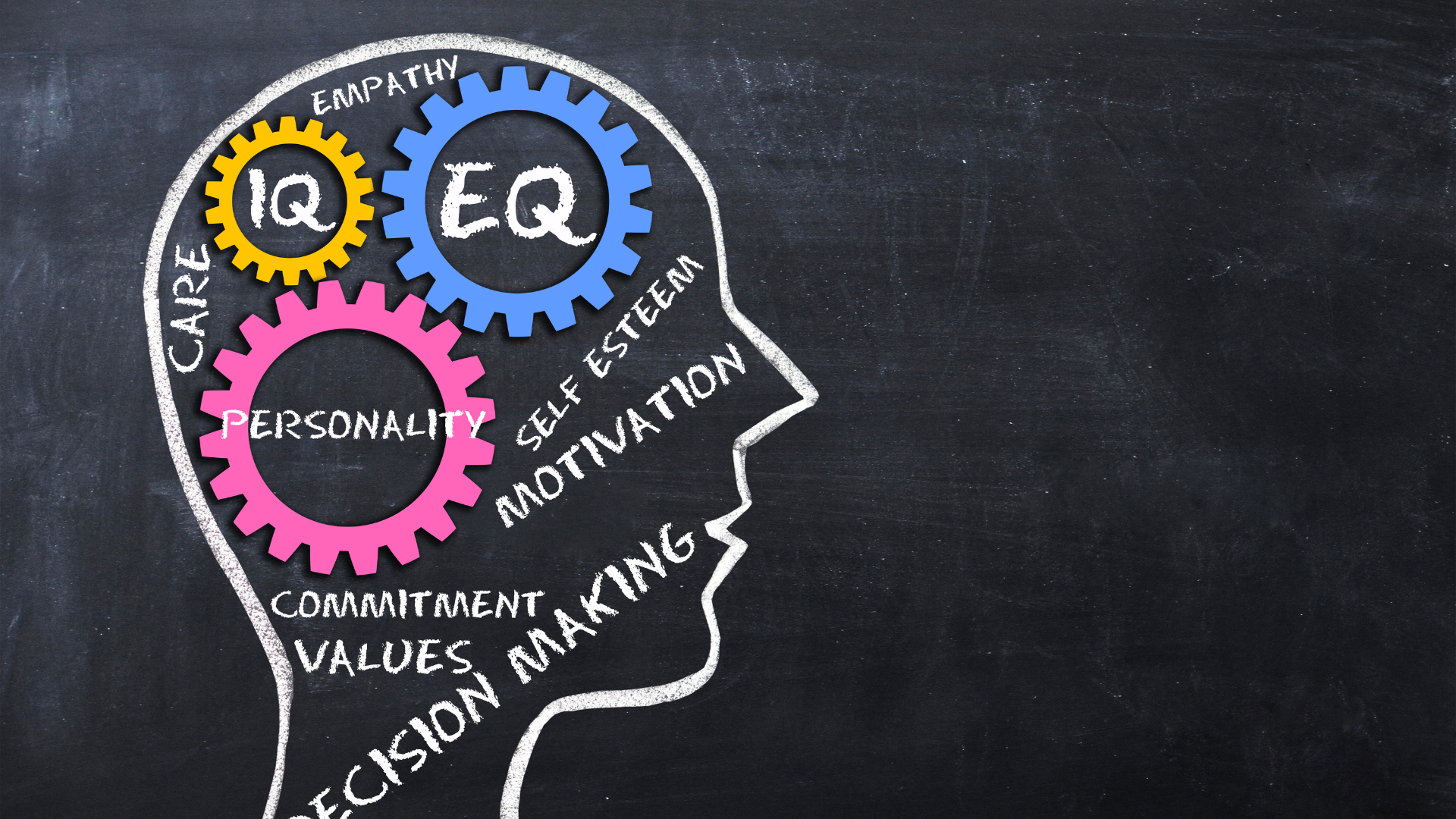
Technical knowledge and practical abilities are important in healthcare. But healthcare also involves something that can be much harder to predict: People. People have emotions. They become worried. Frustrated. Overwhelmed. Afraid. Impatient. Confused. And healthcare professionals have emotions too. You may have stressful days. You may feel frustrated. You may encounter difficult conversations or situations that test your patience. That's where emotional intelligence can become valuable. Emotional intelligence doesn't mean never becoming upset or always knowing exactly what to say. It means becoming more aware of your own emotions, recognizing that other people have emotions too, and learning how to respond thoughtfully and professionally instead of simply reacting. For anyone considering a future in healthcare, that's a skill worth developing. 1. What Is Emotional Intelligence? Emotional intelligence is generally the ability to recognize, understand, and appropriately manage emotions—both your own and those you observe in interactions with other people. Think of it as several abilities working together: Recognizing what you're feeling Managing your reactions Considering another person's perspective Communicating appropriately Reading a situation before responding Maintaining professional behavior when emotions are high It doesn't mean you have to become emotionless. In fact, it's almost the opposite. You're learning to notice emotions without automatically allowing them to control your behavior. 2. Self-Awareness Comes First Have you ever been irritated and responded more sharply than you intended? Most people have. Sometimes we're already stressed before an interaction even begins. Maybe you're tired. Something happened earlier. You're overwhelmed. You're worried about something outside of work or school. Then one small inconvenience happens—and suddenly it feels much bigger than it actually is. Self-awareness means recognizing: “I'm frustrated right now.” That simple realization can give you an opportunity to pause before responding. You can't always control how you feel. But you can continue developing greater control over what you do with that feeling. 3. Learn the Difference Between Reacting and Responding A reaction can happen almost instantly. Someone speaks impatiently. You become defensive. Someone frustrates you. Your tone changes. Someone says something you don't like. You immediately say the first thing that comes to mind. A thoughtful response creates a little space between the emotion and the action. Pause. Listen. Understand what happened. Then decide how to respond appropriately. That pause may only last a few seconds. But sometimes a few seconds can prevent a small misunderstanding from becoming a much larger one. 4. Remember That You Don't Always Know What Someone Is Experiencing Healthcare can bring you into contact with people during vulnerable moments. Someone may be uncomfortable. Afraid. Worried about a loved one. Frustrated about their circumstances. Confused. Lonely. Or simply having a difficult day. That doesn't mean every behavior is acceptable. But understanding that someone's emotions may have a larger story behind them can help you avoid taking every interaction personally. Instead of immediately thinking: “Why is this person being difficult with me?” You might pause and consider: “There may be something happening here that I don't fully understand.” That shift in perspective can change the way you approach an interaction. 5. Empathy Doesn't Mean You Have to Fix Everything Empathy is the ability to recognize and consider another person's feelings or perspective. But empathy doesn't require you to solve every problem. Sometimes you won't be able to. Sometimes the situation may be outside your responsibilities. Sometimes another appropriate professional may need to become involved. You can still acknowledge that someone is having a difficult experience. Listening. Remaining respectful. Communicating calmly. Seeking appropriate guidance when necessary. These are all ways of responding with awareness without assuming responsibility for something outside of your role. 6. Try Not to Take Every Interaction Personally This can be difficult. Someone is short with you. Someone seems irritated. Someone doesn't respond warmly. Your first thought might be: “What did I do?” But not every person's mood is about you. People carry their own stress, worries, experiences, and personalities into interactions. Before taking something personally, ask: “Do I actually know why this person is behaving this way?” Sometimes the answer is no. Learning not to absorb every emotion around you can help you remain compassionate without becoming emotionally overwhelmed by every interaction. 7. Emotional Intelligence Can Help With Teamwork Too Emotional intelligence isn't only important when interacting with the people receiving care. It can matter when working with coworkers, supervisors, instructors, classmates, and other members of a team. People communicate differently. Someone may be very direct. Someone else may be quiet. Another person may need additional clarification. You won't naturally connect with everyone you work with. Professionalism doesn't require you to become best friends with every coworker. It does require learning how to communicate and work respectfully with different personalities. Being able to recognize tension, manage your own reactions, and communicate appropriately can help support stronger professional relationships. 8. Feedback Can Feel Emotional Receiving correction isn't always comfortable. Even when feedback is appropriate and intended to help you improve, your first reaction may be: "But I thought I was doing it correctly." Or: "Why are they criticizing me?" Emotional intelligence can help you separate the uncomfortable feeling from the information you're receiving. Pause. Listen. Ask questions if you don't understand. Then consider: “Is there something here that can help me improve?” You don't have to enjoy being corrected. You simply need to learn how to respond to appropriate feedback professionally. 9. Emotional Intelligence Does NOT Mean Accepting Disrespect This is an important distinction. Being emotionally intelligent doesn't mean allowing people to mistreat you. It doesn't mean: "I'm supposed to be compassionate, so I have to tolerate everything." Healthy professionalism can include boundaries. If a situation becomes inappropriate, threatening, unsafe, discriminatory, abusive, or otherwise beyond what you should handle yourself, follow applicable workplace procedures and seek assistance from the appropriate person. Remaining calm doesn't mean remaining silent about serious concerns. Professionalism and boundaries can exist together. 10. Pay Attention to Your Tone and Body Language Communication isn't only about the words you use. Tone matters. Facial expressions matter. Body language can matter. You can say: “Okay.” in a way that sounds understanding. Or impatient. Or annoyed. Or dismissive. Sometimes we're unaware of what we're communicating nonverbally. Try becoming more conscious of how you present yourself when you're stressed or frustrated. Ask yourself: “If I were on the other side of this interaction, how might my tone come across?” Self-awareness can help you catch habits you didn't realize you had. 11. Know When You Need a Moment Everyone has limits. There may be moments when you're frustrated, overwhelmed, or emotionally affected by a situation. Recognizing that doesn't make you unprofessional. What matters is how you handle it. When appropriate and possible, you may need a moment to collect yourself. You may need guidance. You may need to speak with the appropriate supervisor or instructor. You may need to mentally reset before carrying frustration into your next interaction. One difficult moment doesn't have to influence every interaction that follows it. 12. Emotional Intelligence Can Be Developed Some people naturally seem very emotionally aware. Others have to work at it. That's okay. Emotional intelligence isn't necessarily something you either have or don't have. You can practice it. Start by paying attention to your reactions. Ask yourself: What tends to frustrate me? How does my communication change when I'm stressed? Do I become defensive when I'm corrected? Do I interrupt when I'm upset? Do I assume I know why someone behaved a certain way? Am I able to listen before responding? Awareness gives you somewhere to begin. And each interaction gives you another opportunity to practice. Final Thoughts Healthcare isn't only about what you know. It's also about how you interact with people while applying what you know. There will be easy conversations. There may also be difficult ones. There will be people whose personalities naturally work well with yours. And there may be people who challenge your patience. You won't always control what another person says, feels, or does. But you can continue developing greater awareness of your own response. Pause before reacting. Listen. Consider the situation. Communicate professionally. Maintain appropriate boundaries. Ask for guidance when necessary. And remember that everyone you encounter—including you—is human. Emotional intelligence doesn't mean never feeling frustrated. It means learning how to handle those emotions without allowing them to determine every response. 💡 Healthcare Tip The next time an interaction frustrates you, try this simple mental routine: Pause → Identify → Respond Pause: Don't immediately react. Identify: What am I feeling, and what is actually happening? Respond: What is the most appropriate and professional response? That small pause can give you enough space to make a more thoughtful decision. 🤔 A Question to Think About Think about the last time someone frustrated you. Did you respond to what actually happened—or did you respond mostly to how it made you feel? Now consider: If you had paused for five seconds before responding, would you have handled anything differently? You can't redo every past interaction. But you can learn from it before the next one. Build Skills for a Future in Healthcare Healthcare education isn't only an opportunity to develop knowledge and practical abilities. It's also an opportunity to continue developing the professional habits and interpersonal skills that can support you as you move forward. If you're interested in exploring a future in direct care, Fordham Institute offers training programs for individuals interested in becoming a Certified Nurse Aide (CNA) or Home Health Aide (HHA) . Contact us to learn more about upcoming classes, program information, and registration. 📞 Call Fordham Institute at (718) 480-1804 Healthcare involves caring for people—and understanding emotions, including your own, can help you approach those interactions with greater awareness, professionalism, and compassion.